
Meet Dr. Lincoln Fantaski
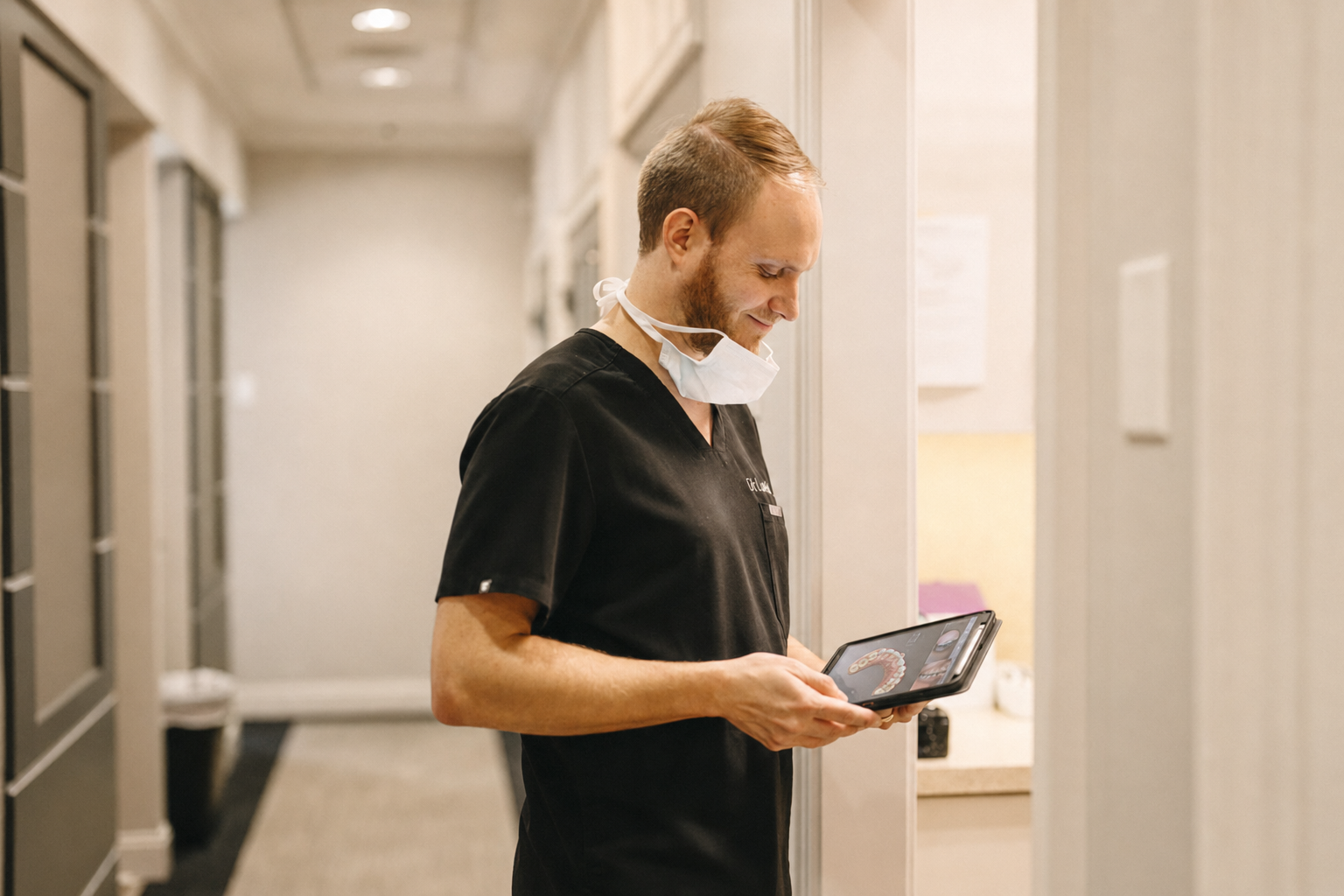
A Tooth Nerd Who Wants to Know Why.
I have always been the person who wants to take something apart, understand every piece and put it back together better. Before dentistry, that curiosity was aimed at computers, cameras, cars and almost anything mechanical. Dentistry gave it a purpose, and a way to do something that makes a difference with that engineering mindset.
Today, I use that same way of thinking to study teeth, smiles, bites, implants, breathing and the digital workflows that connect them. The cases may be more complicated than the things I took apart as a kid—but thankfully, the planning has gotten a LOT better!
From Atlanta to Dentistry
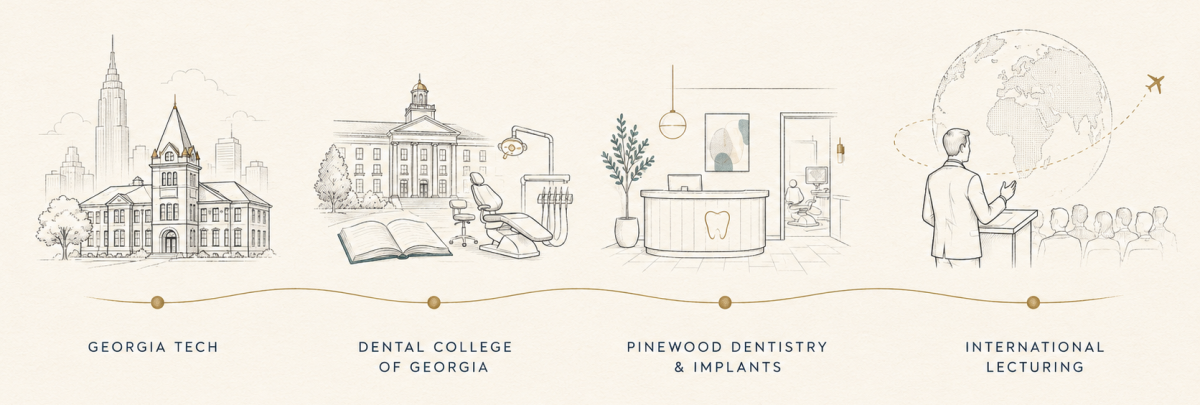
I am an Atlanta native and attended Georgia Tech for my undergraduate education. I went on to the Dental College of Georgia, where I graduated near the top of my class and became fascinated by the combination of biology, engineering and craftsmanship inside modern dentistry.
Digital dentistry was the point where everything clicked. Photography, scanning, CAD/CAM design, milling, 3D printing and guided surgery made it possible to visualize problems differently, plan more precisely and show patients what I was seeing.
That interest eventually grew into an idea. A vision to do things a bit differently. That vision turned into Pinewood Dentistry and Implants, with locations in Cumming and Sandy Springs. Pinewood allows our team to provide comprehensive family dentistry while also taking on advanced restorative, implant, cosmetic, surgical and airway-related care.
The Whole System Became the Interesting Part
I began with a deep interest in digital restorative dentistry and implants. The more complex the cases became, the clearer it was that the restoration could not be separated from the system supporting it.
An implant has to support a tooth in the right position. A beautiful smile has to work with the bite. Reconstructing worn teeth requires understanding the forces that wore them. Jaw position, tongue space, nasal breathing and sleep can influence the same muscles and structures we are trying to restore.
That is what pulled me deeper into occlusion, sleep-disordered breathing, airway evaluation and adult skeletal expansion with MARPE. Not because every patient needs a giant, complicated plan—they do not! But every patient deserves for us to understand the problem before choosing the procedure.
Plenty of patients need implants. But if we never stop to ask why they lost the teeth in the first place, we may still be solving only half of the problem. That is the part that became really interesting!
Explore Sleep & Airway
Digital Planning Is How I Think
Technology is not just a collection of toys in the office. It is how I combine information and work backward from the intended result! (Although, if you ask my assistants, they will tell you I am always excited to play with the new toys!)
For an implant, that may mean merging a CBCT with an intraoral scan, designing the future tooth and planning the implant to support it. For a smile, it means connecting facial photography, digital design, provisionals, the bite and laboratory communication. For MARPE, it means evaluating transverse relationships, palatal anatomy and miniscrew positions before the appliance is placed.
The technology matters because it lets us perform the procedure digitally before the patient is ever in the chair. We can measure everything, test the plan and perfect it ahead of time. Technology gives us clarity, transparency and predictability—and that makes the entire experience better!
See the Digital Planning Workflow
Photography Made Me a Better Communicator
I have always enjoyed photography. When I started using a camera in dentistry, I realized quickly that it was not just about taking pretty before-and-after photos!
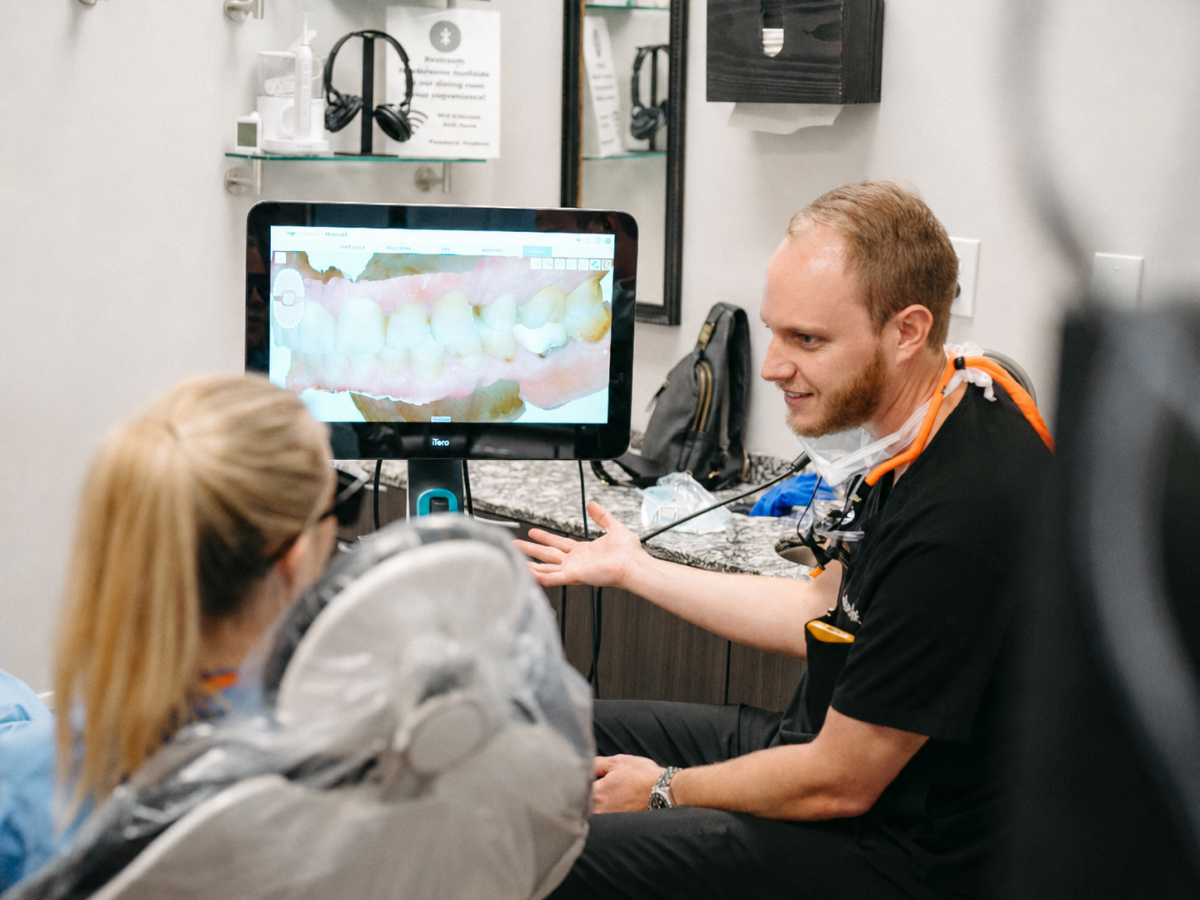
A camera catches details the eye can miss. It improves communication with laboratories, helps us compare changes over time and forces us to look honestly at our own work. More importantly, it gives patients a way to see what I am seeing.
Patients deserve more than a list of procedure names. I want them to understand what we found, why it matters, what the options are and what we expect each option to accomplish. Photographs, scans and digital plans make those conversations a LOT easier!
Teaching Keeps the Work Honest
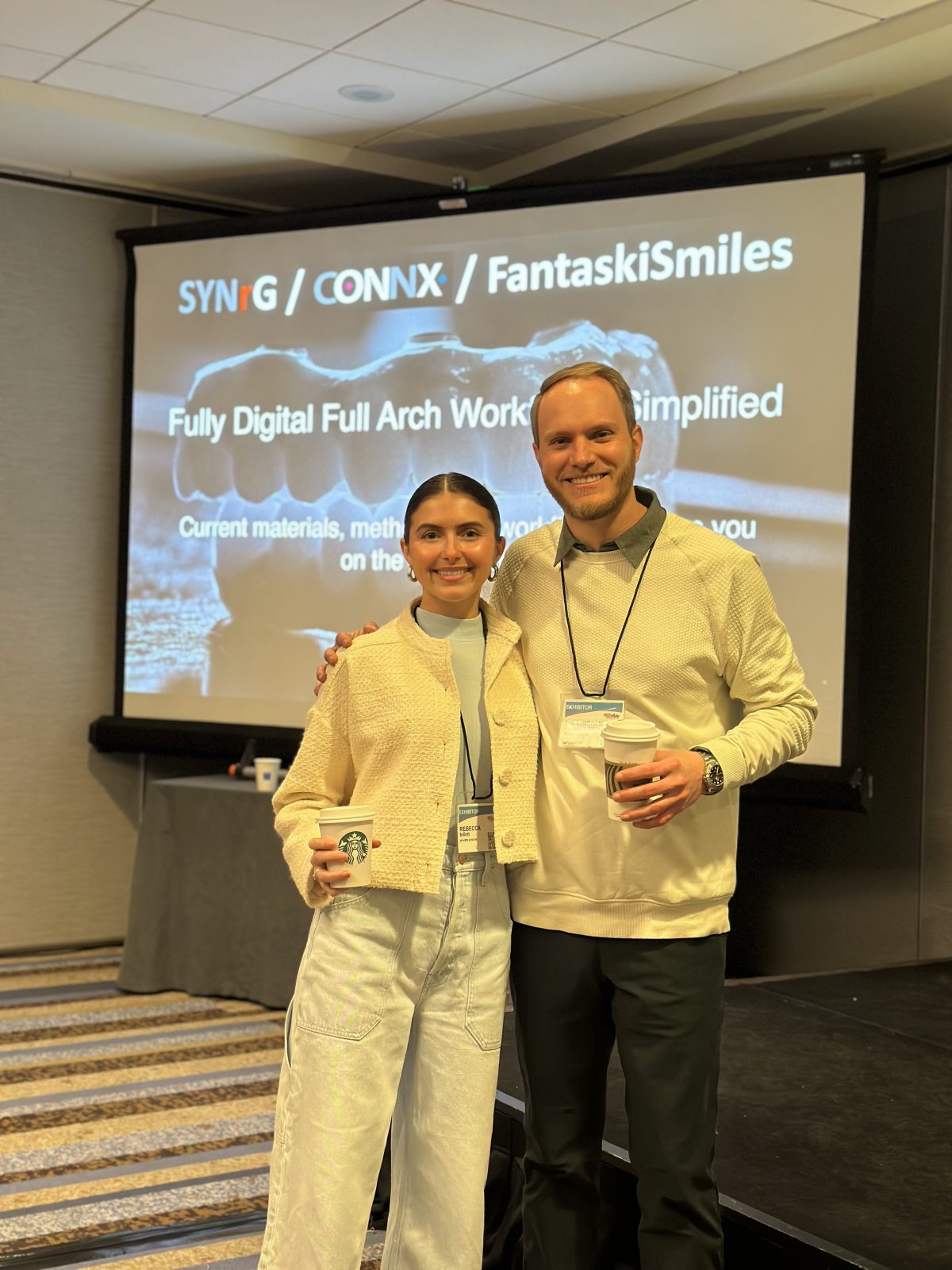
I love sharing clinical cases and digital workflows with other dentists! I have taught and mentored clinicians in CAD/CAM dentistry, same-day restorative workflows and digital treatment planning, and I have worked with dental manufacturers and laboratories as new materials and techniques have developed.
Teaching is a great reality check. A workflow has to be more than something that happens to work in my hands. It has to be documented, explainable and repeatable. If I cannot explain why it works without hiding behind jargon, I probably need to understand it better too.
For Dentists: Speaking & Education
Why This Site Exists
Most dental websites show the before and after. I love a great before and after too! But that is only the ending.
DrFantaski.com is where I get to show the middle: the records, the decisions, the digital plan, the treatment sequence and what happened after delivery day. Why did we choose one procedure instead of another? What did we learn along the way? That is usually the most interesting part!
Some of the cases are full-arch reconstructions or complex implant treatment. Others involve one cracked tooth, a conservative restoration, orthodontic movement or an airway question. I find all of it interesting—possibly too interesting, depending on how long you let me talk about it!
Explore Behind the Why
Outside the Office
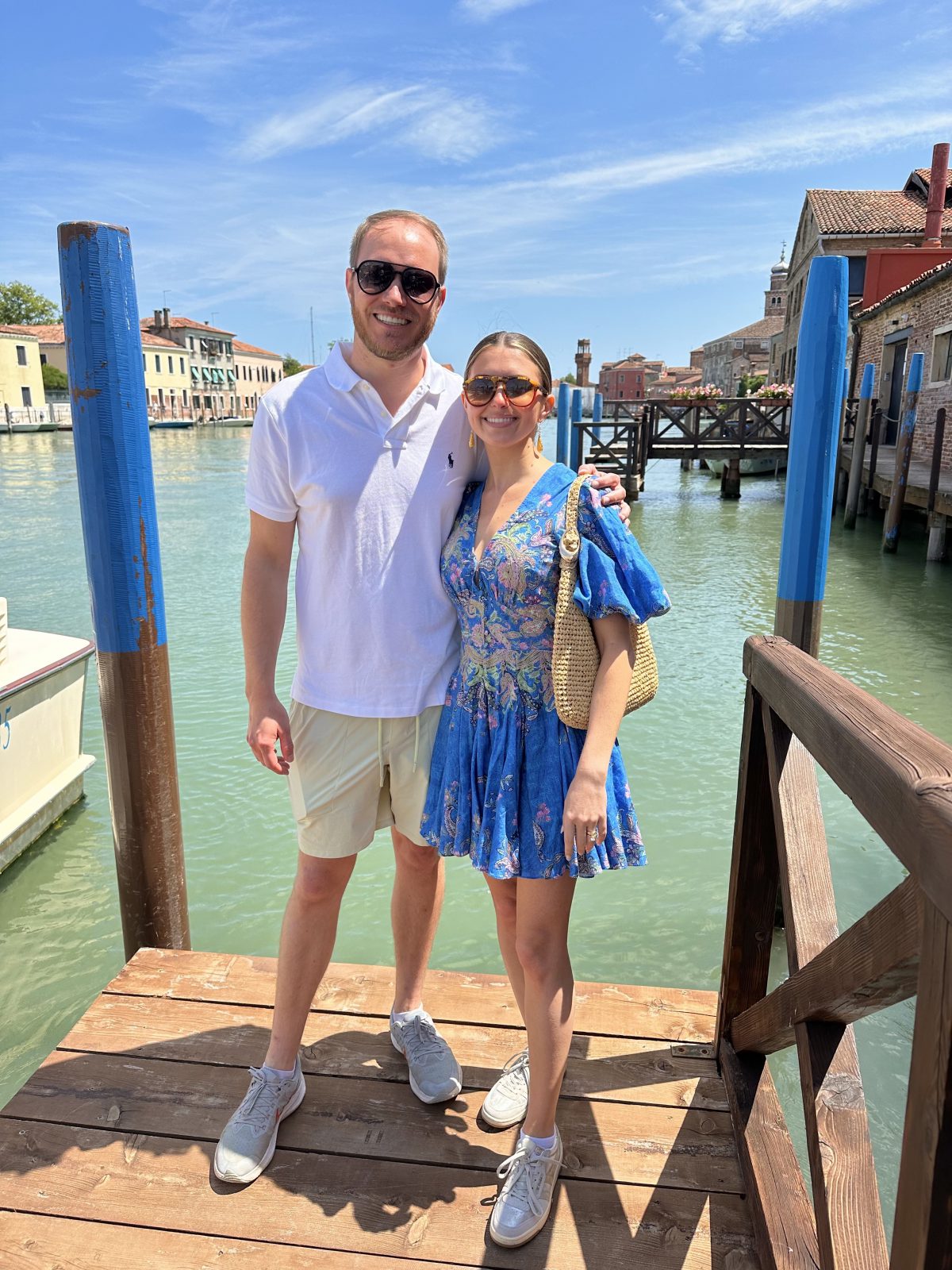
My wife, Rebecca, and I love to travel, and many of the photographs around the Pinewood offices came home with us from those trips. At home, our cat Piper (who is a baby angel) remains completely convinced that she is the most important member of the family. She might just be right!
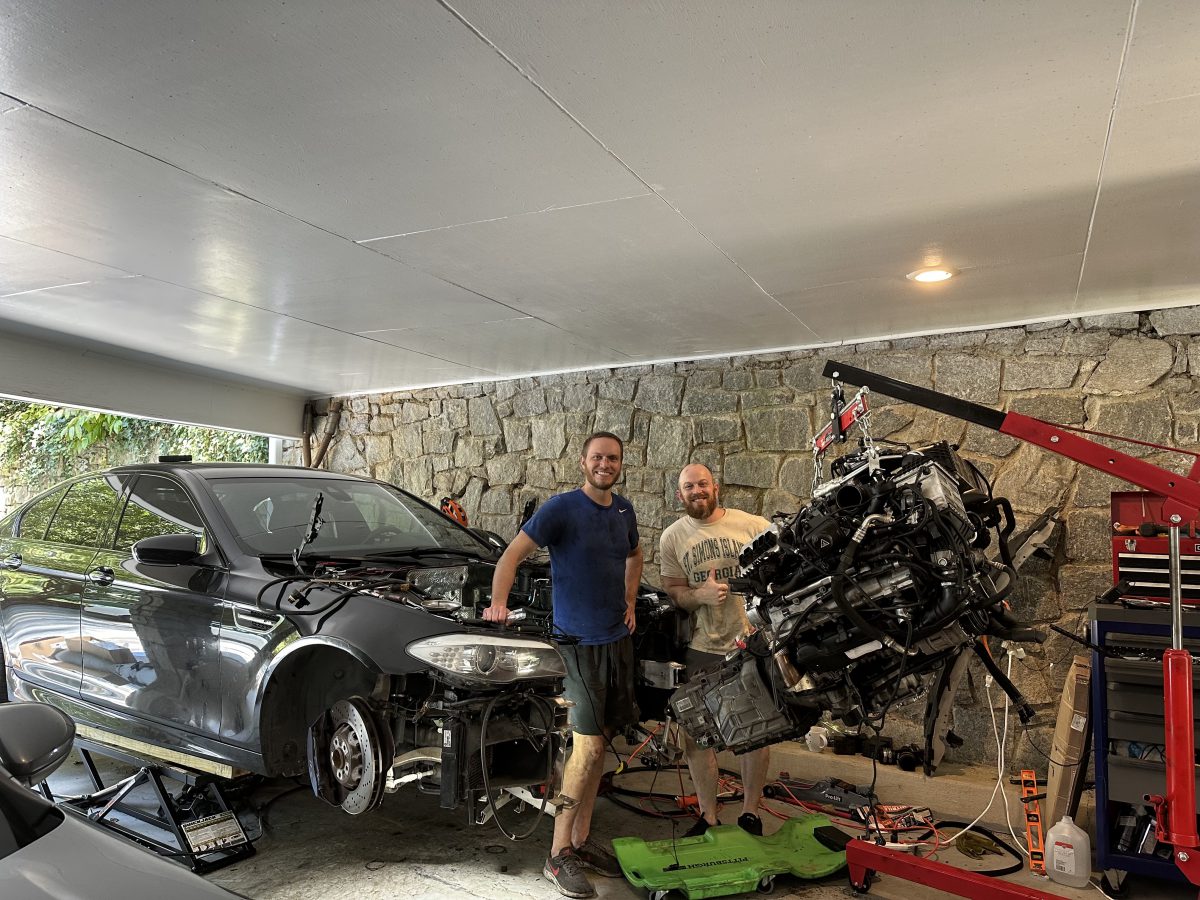
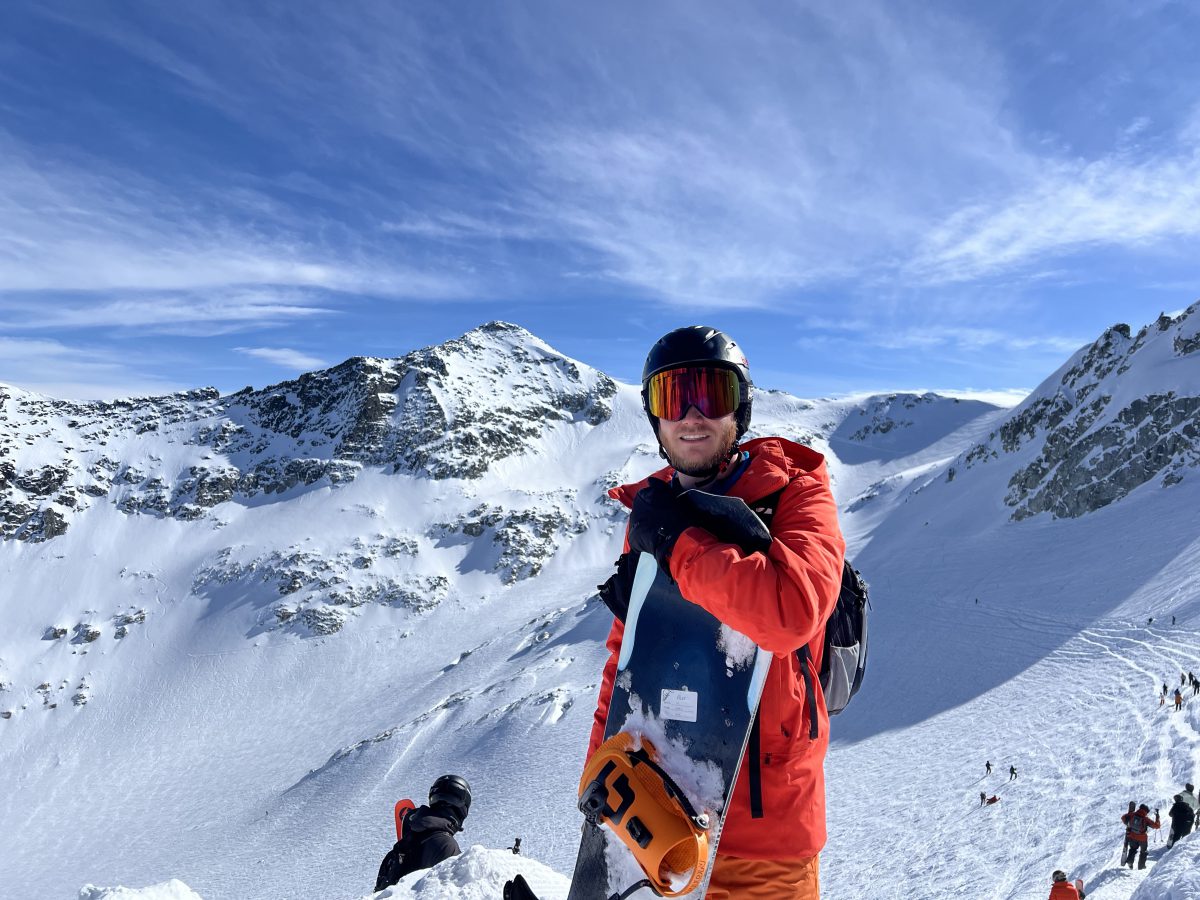
I also collect vinyl records, snowboard whenever I can and spend an unreasonable amount of time keeping my 2000’s BMWs alive. Apparently, I don’t believe hobbies should be low-maintenance.
The cars satisfy the same instinct that started all of this: figure out how it works, find what is wrong and make it better. The only difference is that teeth are generally more cooperative.
Where I Practice
I practice at Pinewood Dentistry and Implants in Cumming and Sandy Springs, Georgia. If you are looking for appointments, locations, insurance information or the full Pinewood team, Pinewood is the place to go!
If you want to see the deeper clinical rabbit hole—how I think, what I am learning and why we approach treatment the way we do—that is what this site is for. Fair warning: I can go pretty far down the rabbit hole!